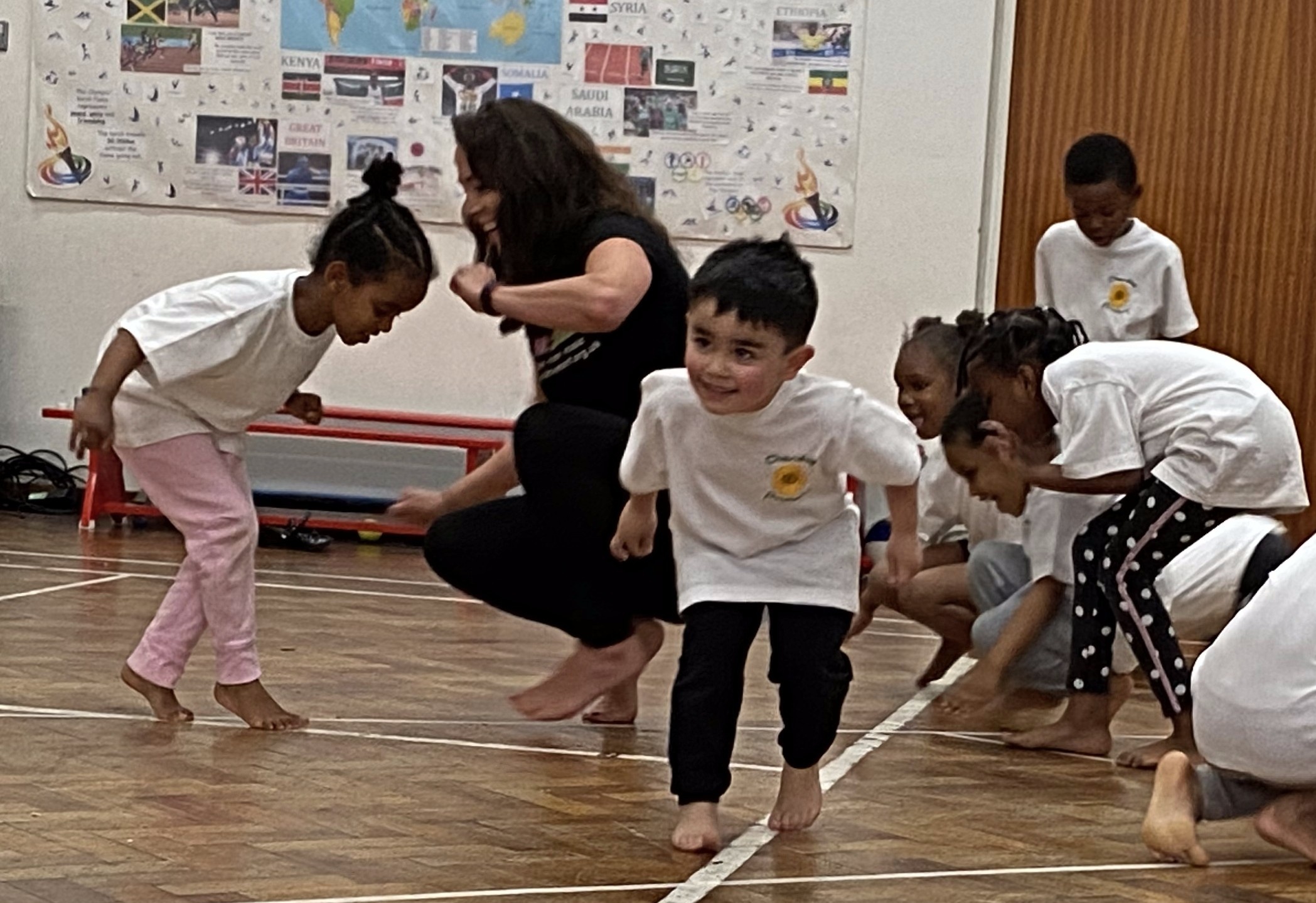
Early Years Courses Bundle Special Offer
The Helen Battelley courses: Physically Active Learning in the Early Years and Inspiring Early Years PE, Physical Activity and Physical Development normally cost £590 when purchased separately!
Inspiring Early Years PE, Physical Activity and Physical Development course includes:
- 11 Learning Hours
- 12 Units
- 38 Expert-Led Tutorial Videos
- 5+ hours of video content
- 36 Practical demonstration videos
- 26 Resources and Supporting Documents
Physically Active Learning in the Early Years course includes:
- 14 Units
- 57 Expert-led tutorial videos
- 18 Practical demonstration videos
- 15 Learning Hours
- 41 Resources and Supporting Documents
Both courses include:
- A Certificate upon completion
- Course Accessible on ANY device
- FREE Aspire:ED membership (unless you are already a member)
Payment details:
We offer multiple payment options, including paying by invoice. To request an invoice, please click here to email us with your name, organisation (if applicable), and the course you’d like to purchase.
PLEASE NOTE: Due to the sector these courses cover there will be an overlap in some of the course content between these two courses.
"The Inspiring Early Years PE, Physical Activity and Physical Development course has been pivotal in expanding our dance and movement provision, as part of the EYFS curriculum.
The wealth of high-quality, easily accessible videos and accompanying resources has helped to enhance teaching delivery and learner engagement, with notable progression. It has been a real pleasure to see our students develop in confidence, physical competence, and exploration of their vivid imaginations, through physical avenues of enquiry. Innovative ideas provided by Helen Battelley’s videos, such as the different approaches to storytelling, music, and equipment/props, have helped to create new learning experiences for our students, utilising our resources and teaching spaces in uniquely engaging ways.
This course highlights both purpose and pedagogy underpinning the variety of activities that can be embedded and integrated across Early Years teaching, whilst promoting learner-centred fun."
"The Physically Active Learning in the Early Years course has given me a great range of fun, interactive activities that support children’s development while keeping them engaged and active. I particularly liked learning how simple movements and minimal equipment can still provide plenty of challenge; you don’t need lots of equipment to create an enjoyable and effective session.
It has also encouraged me to be more creative with the equipment I do use and explore the many different ways each piece can support learning. I’ve gained valuable ideas, techniques and strategies that I can put into practice straight away and that will positively influence the way I plan and deliver activities.”
“I’ve gained lots of practical ideas that I can introduce straight away, particularly using stories, music, action rhymes and attention activities to encourage movement. I now have a better understanding of how these activities can support children not only physically, but socially and academically, including their language and processing skills."
What’s included
Who's it for
Duration
Certificates
Delivery
Access
Physically Active Learning in the Early Years Course Outline
-
Module 1
- Module 1: What will you need to complete this course?
-
Module 1: Unit 1: Introduction/Course Aims
- Module 1: Unit 1: Introduction/Course Aims
-
Module 1: Unit 2: Movement Matters
- Module 1: Unit 2.1: In the beginning there was movement...let's find out more?
- Module 1: Unit 2.2: What constitutes a healthy childhood?
- Module 1: Unit 2.3: What is Containerisation?
- Module 1: Unit 2.4: The statutory and non-statutory guidance and EIF
- Module 1: Unit 2.5: What impediments are impacting on young children's physcial activity and obesity levels?
-
Module 1: Unit 3: What does Learning Look Like?
- Module 1: Unit 3.1: Provocations
- Module 1: Unit 3.2: Sustainability
- Module 1: Unit 3.3: Salutogenisis
- Module 1: Unit 3.4: Early influences
- Module 1: Unit 3.5: Movement Theories
- Module 1: Unit 3.6: Outdoor/Indoor Play
- Module 1: Unit 3.7: Has learning changed?
- Module 1: Unit 3.8: Consider the impact of physical stimulation on stages of development.
-
Module 2: Movement is our first language
-
Module 2: Unit 4: Physical Development, Physical Activity, Physical Education and Physical Literacy, what is the difference?
- Module 2: Unit 4.1: Physical Development, Physical Activity and Physical Education
- Module 2: Unit 4.2: Physical Literacy
- Module 2: Unit 4.3: How relevant are they to your practice?
- Module 2: Unit 4.4: Inclusive practice
- Activity - Fortune Teller
- Activity - Bubble Wrap
- Activity - Hoop Circle
-
Module 2: Unit 5: Developmentally Appropriate Practice
- Module 2: Unit 5.1: Developmentally Appropriate Practice
- Module 2: Unit 5.2: Structured or Unstructured play?
- Module 2: Unit 5.3: Early Inspection Framework for Physical Development and Physical Activity
- Module 2: Unit 5.4: PE programmes -HIIT – Popular PE programmes
- Module 2: Unit 5.5: Continuous provision
- Activity - Tape Balance
- Activity - Walk around the room
- Activity - Dinosaur
-
Module 2: Unit 6: Teaching Strategies to improve engagement
- Module 2: Unit 6.1: Time Lapse study
- Module 2: Unit 6.2: Family Play Questionnaire
- Module 2: Unit 6:3: Modelling
- Module 2: Unit 6.4: Physical activity initiatives
- Module 2: Unit 6.5: Circle Time – music and movement
- Module 2: Unit 6.6 Stimuli, stimuli, stimuli - multi-motor sensory resources
- Module 2: Unit 6.7: Behaviour
- Activity - Mirror Mime
- Activity - Chalk Emotions
-
Module 2: Unit 7: Midline development and Somatic learning approaches
- Module 2: Unit 7.1 & Unit 7.2: Midline Development
- Module 2: Unit 7.3: Somatic learning approaches
- Module 2: Unit 7.4: Motor Sensory Integration
- Activity - Animals
-
Module 2: Unit 8: Hand Dominance and Laterality – writing implications
- Module 2: Unit 8.1: Dominance
- Module 2: Unit 8.2: Writing and Mark writing
- Activity - Bean Bag Balance
-
-
Module 3: Areas of learning and development
-
Module 3: Unit 9: Using innovative approaches to teach young children
- Module 3: Unit 9.1: Prime for a reason
- Module 3: Unit 9.2: Maths Movers
- Module 3: Unit 9.3: Storytelling
- Module 3: Unit 9.4: Reading acquisition
- Module 3: Unit 9.5: Developing language
- Activity - Pirate Dance
- Activity - Circus
-
Module 3: Unit 10: The power of music
- Module 3: Unit 10.1: The Power of Music
- Module 3: Unit 10.2: Rhythmic Entrainment and Rhythm
- Module 3: Unit 10.3: Musicality
- Activity - Syllabology
-
Module 3: Unit 11: Exploring the 8 senses
- Module 3: Unit 11.1: Taste, touch, smell, sight, sound, vestibular, proprioceptive
- Module 3: Unit 11.2: Enabling Environment
- Module 3: Unit 11.3: Sedentary Behaviour
- Module 3: Unit 11.4: The Upper Body
- Module 3: Unit 11.5: Interoception
-
Module 3: Unit 12: Physical Well-Being
- Module 3: Unit 12.1: Educator Well-Being
- Module 3: Unit 12.2: Early Childhood Well-Being
- Module 3: Unit 12.3: Families – A Healthy Childhood
-
Module 3: Unit 13: The best way forward - a Canopy Movement Experience
- Module 3: Unit 13.1: How to provide a canopy movement experience in early childhood
- Module 3: Unit 13.2: Physical Well-Being
-
Module 3 Unit 14: Planning, Preparation and Delivery
- Module 3: Unit 14.1: Applying creativity to your lessons
- Module 3: Unit 14.2: Technical aspects and safety
- Module 3: Unit 14.3: Cohesion
- Module 3: Unit 14.4: Neuroplasticity - research
- Module 3: Unit 14.5: Reflective Practice
- Reflect on your Learning from the Physically Active Learning in the Early Years
-
Inspiring Early Years PE, Physical Activity and Physical Development Course Outline
-
Module 1 Overview
-
Module 1: Unit 1 - Course Introduction & Overview
- Module 1 - Unit: 1.1
- Module 1 - Unit 1.2
-
Module 1: Unit 2 - The Early Years – why is it so important?
- Module 1 - Unit 2.1
- Module 1 - Unit 2.2
- Module 1 - Unit 2.3
- Module 1 - Unit 2.4
-
Module 1: Unit 3 - Does being active REALLY make a difference at a young age?
- Module 1 - Unit 3.1
- Module 1 - Unit 3.2
- Module 1 - Unit 3.3
- Module 1 - Unit 3.4
-
-
Module 2 - Overview
-
Module 2: Unit 4 - How can we best support learners to be active?
- Module 2 - Unit 4.1
- Module 2 - Unit 4.2
- Module 2 - Unit 4.3
- Module 2 - Unit 4.4
-
Module 2: Unit 5 - Developmentally Appropriate Practice – assessing their needs and EIF
- Module 2 - Unit 5.1
- Module 2 - Unit 5.2
- Module 2 - Unit 5.3
- Module 2 - Unit 5.4
-
Module 2: Unit 6 - Teaching Strategies to improve engagement
- Module 2 - Unit 6.1
- Module 2 - Unit 6.2
- Module 2 - Unit 6.3
- Module 2 - Unit 6.4
- Module 2 - Unit 6.5
-
Module 2: Unit 7 - Midline Development and Laterality
- Module 2 - Unit 7.1
-
-
Module 3 - Overview
-
Module 3: Unit 8 - Do FMS’s meet all the physical needs of early years children?
- Module 3 - Unit 8.1
- Module 3 - Unit 8.2
- Module 3 - Unit 8.3
- Module 3 - Unit 8.4
-
Module 3: Unit 9 - The power of music
- Module 3 - Unit 9.1
- Module 3 - Unit 9.2
- Module 3 - Unit 9.3
- Module 3 - Unit 9.4
-
Module 3: Unit 10 - Exploring the 7 senses
- Module 3 - Unit 10.1
- Module 3 - Unit 10.2
- Module 3 - Unit 10.3
- Module 3 - Unit 10.4
-
Module 3: Unit 11 - The best way forward – a canopy movement experience
- Module 3 - Unit 11.1
- Module 3 - Unit 11.2
- Module 3 - Unit 11.3
- Module 3 - Unit 11.4
- Module 3 - Unit 11.5
-
Module 3: Unit 12 - Lesson planning
- Module 3 - Unit 12.1
- Module 3 - Unit 12.2
- Module 3 - Unit 12.3
- Module 3 - Unit 12.4
- Module 3 - Unit 12.5
- Reflect on your Learning from the Inspiring Early Years PE, Physical Activity and Physical Development Course
-